Contrapposto
2022
software
A body made by compositing various Greco-Roman statues hangs in mid-air. The viewer interacts with the work by using a controller to contort the body, putting it under the violent forces of an unseen assailant and the forces of physics on its own body. The body begins to take on various anatomically impossible forms, yet maintains its constitution as a body. However, the body always bounces back to its original shape when released, ready to be contorted again.


Contrapposto was initially conceived as a project exploring the limitations of physics engines on simulating the movements of the body. As I continued working on this project, I began incorporating ideas about my own relationship to my body, particularly the experience of chronic pain and body image. I took inspiration from classical Greco-Roman statues of the nude body and their subsequent “rediscovery” during the European Renaissance, becoming the standard artistic canon of body proportions.
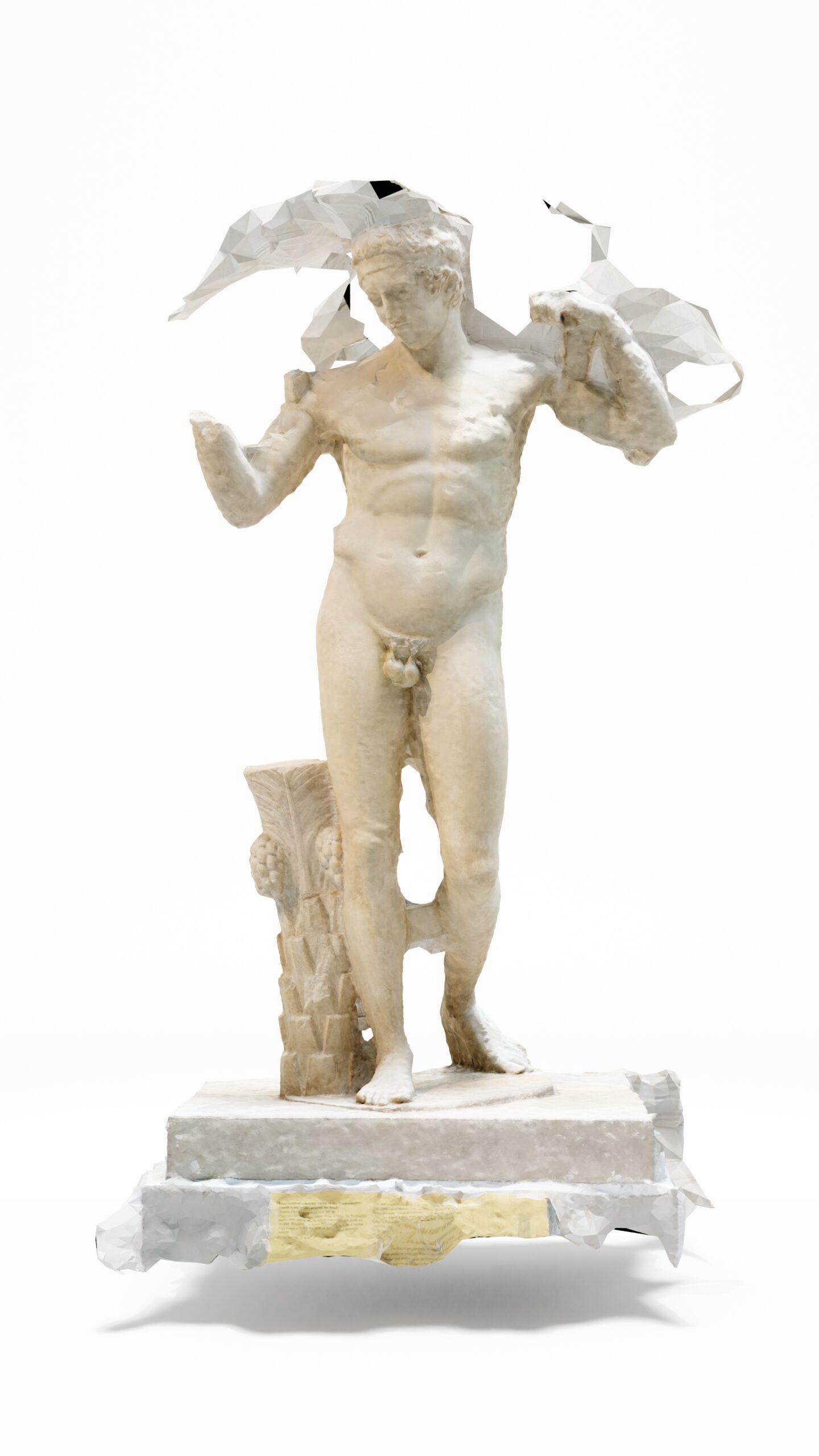
I created the final model by compositing 3D scans of these six statues, currently on exhibit in the Metropolitan Museum of Art. The result is a sort of Frankenstein’s monster of a body, eschewing the typical idealized beauty attributed to the classical artistic canon of body proportions.
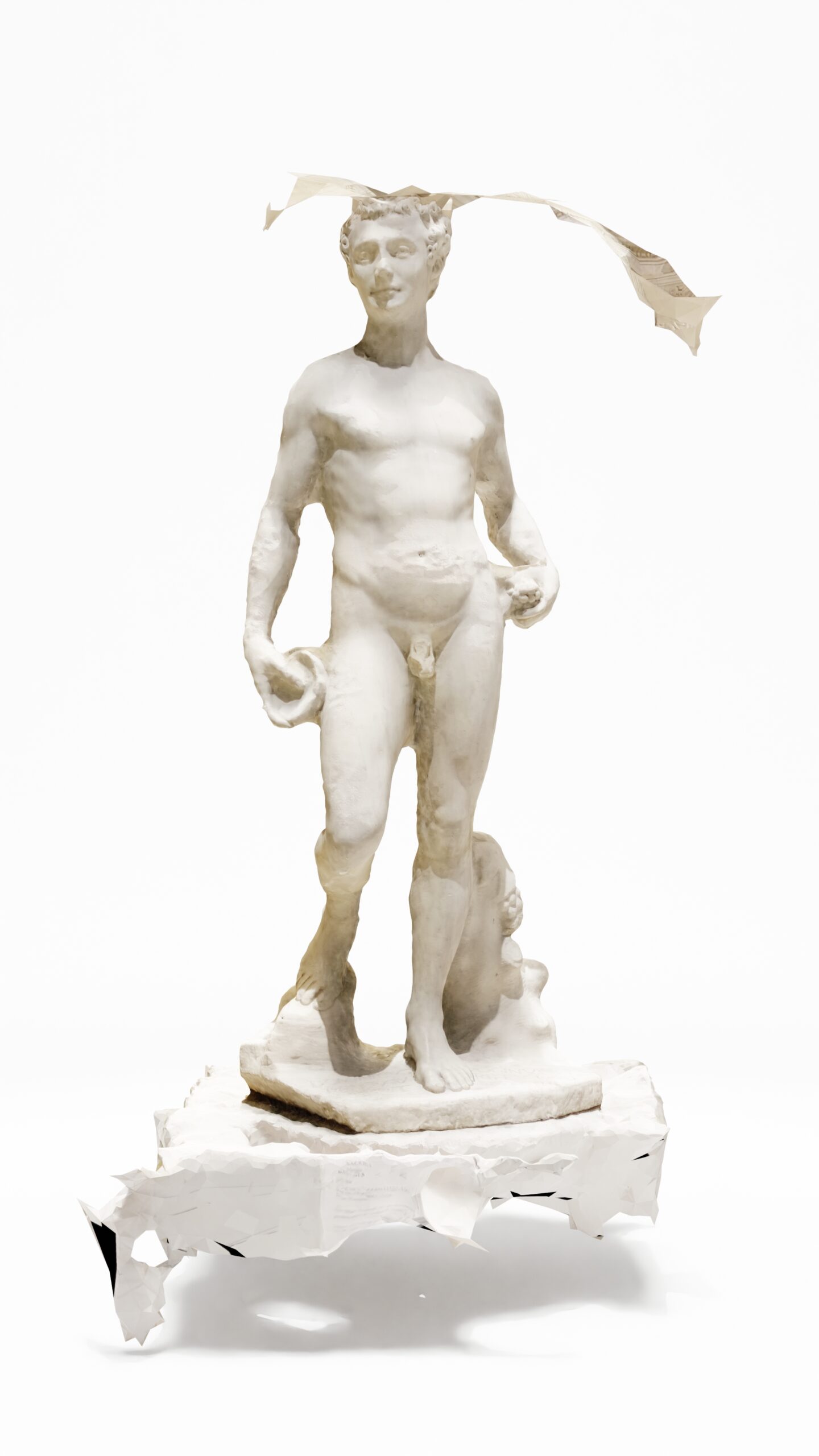
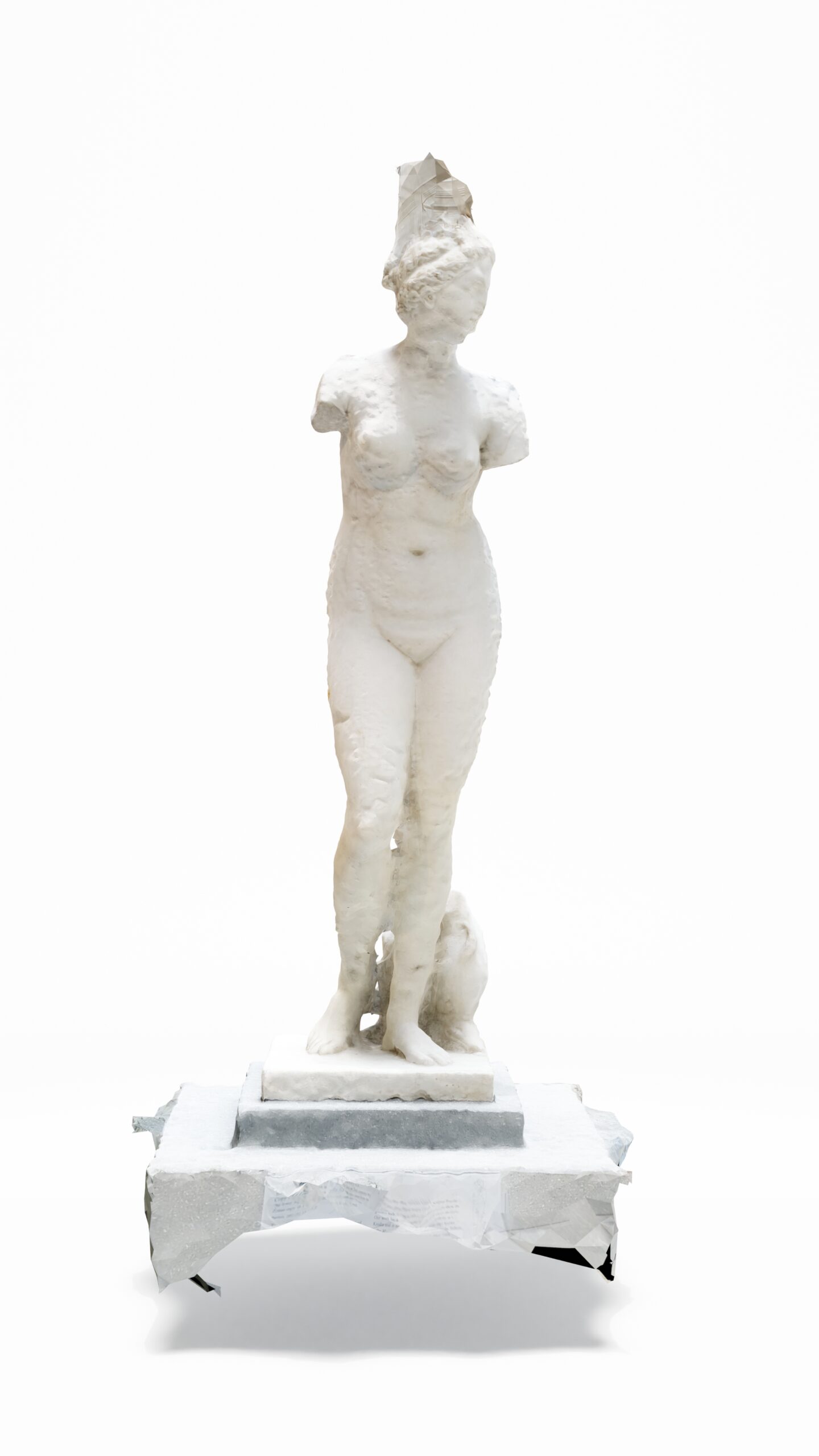
Left to right: Bacchus, 1554, Domenico Poggini; Fragments of a marble statue of the Diadoumenos (youth tying a fillet around his head), ca. 69–96 CE, attributed to Polykleitos; Marble statue of Aphrodite, 1st or 2nd century CE
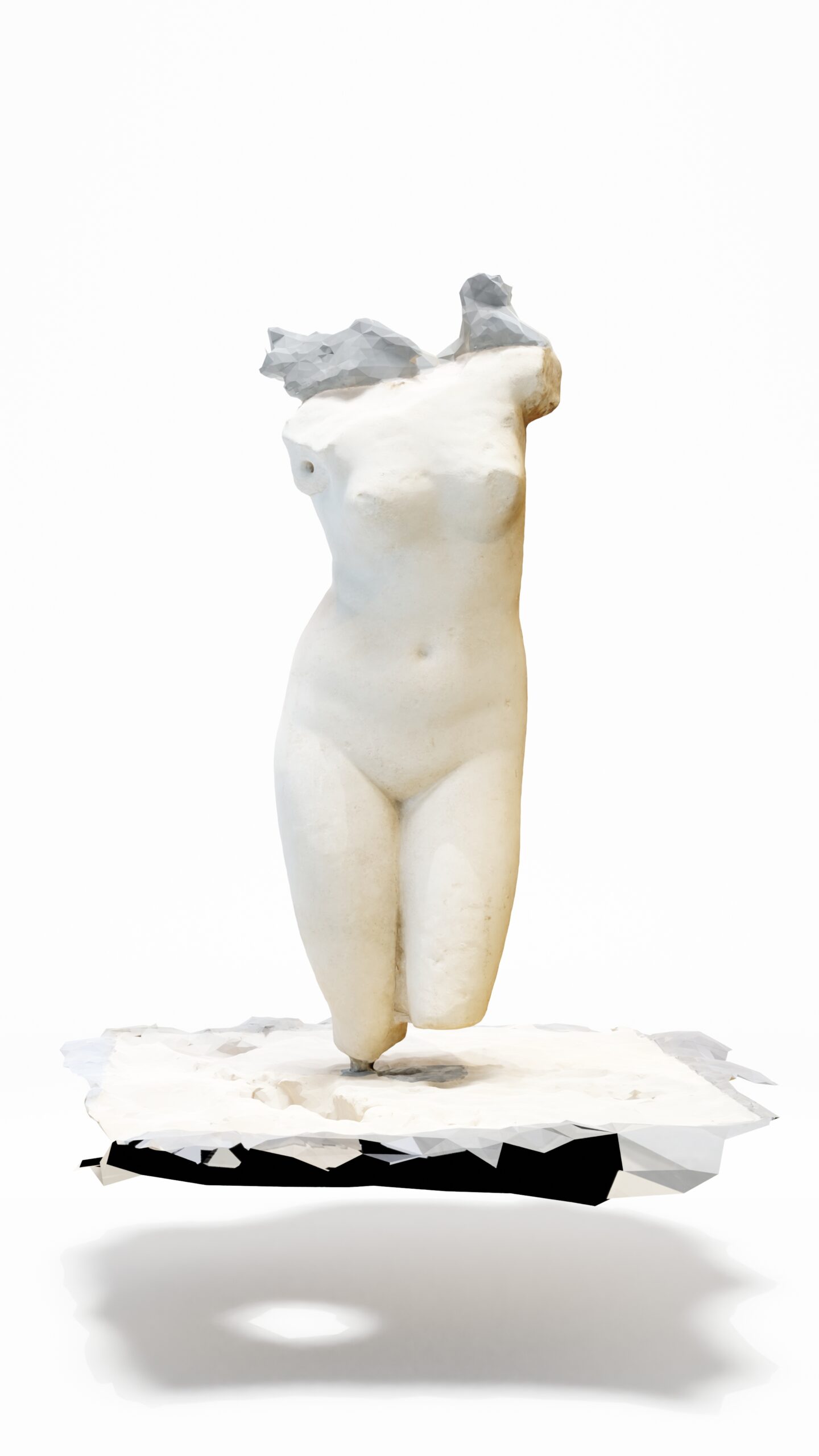
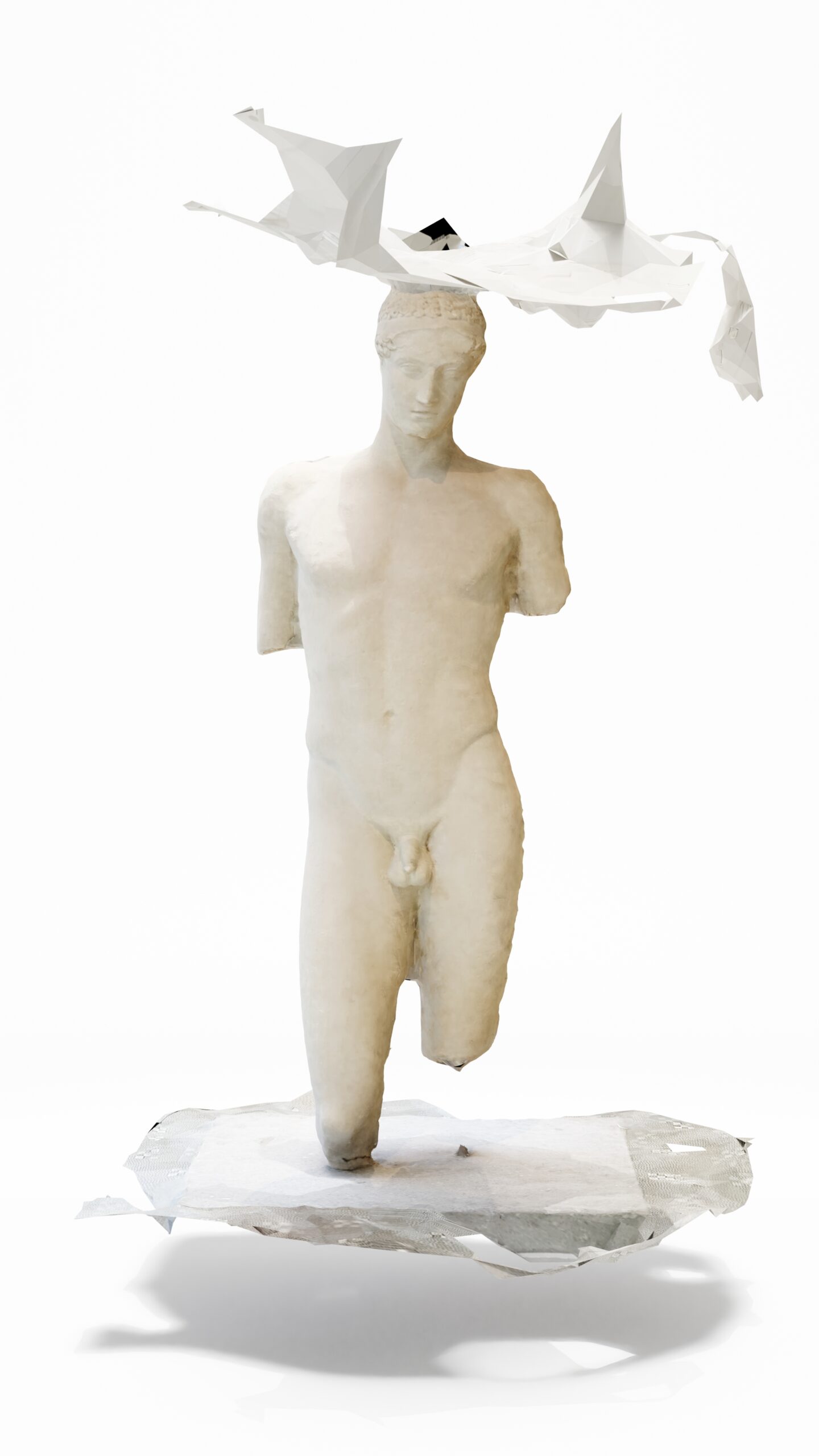
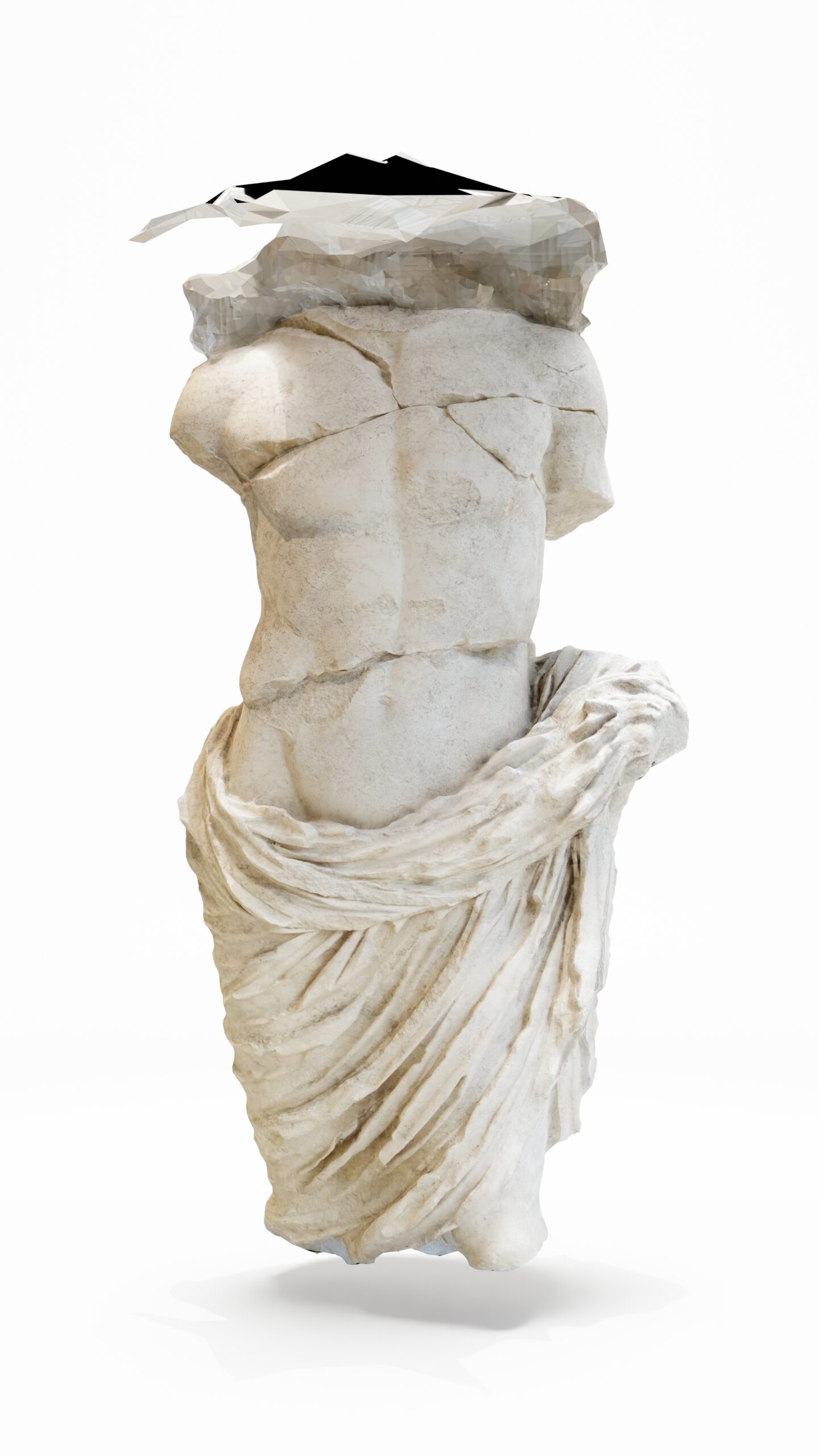
Left to right: Marble statue of Aphrodite Anadyomene (hair-binding), 3rd-2nd century BC; Marble statue of the so-called Stephanos Athlete, late 1st century BCE or 1st century CE; Marble statue of a member of the imperial family, 27 BCE–68 CE
The model is then placed in a physics engine, where a viewer can control the body by pulling and contorting it towards 4 different directions. The longer the viewer applies pressure to the body, the more disfigured the body becomes. The body begins to take on various anatomically impossible forms, yet maintains its constitution as a body. However, the body always bounces back to its original shape when released, ready to be contorted again. Simulating the motion of a body with a physics engine requires the treatment of the body as a kind of anthropic mechanism, a school of thought from the European Enlightenment that conceives the body as a kind of perfect machine. Consequently, the anatomical ailments of the human body are often blamed on deficiencies in the maintenance of the body, with the treatment being the performance of biomechanics to return the body to its ideal normative state. The viewer thus implicates themselves in the violence they perform on this body as they continually contort and disfigure the body, trusting that it will return back to its normative state.
Live Demo
Instructions: Use WASD keys to move
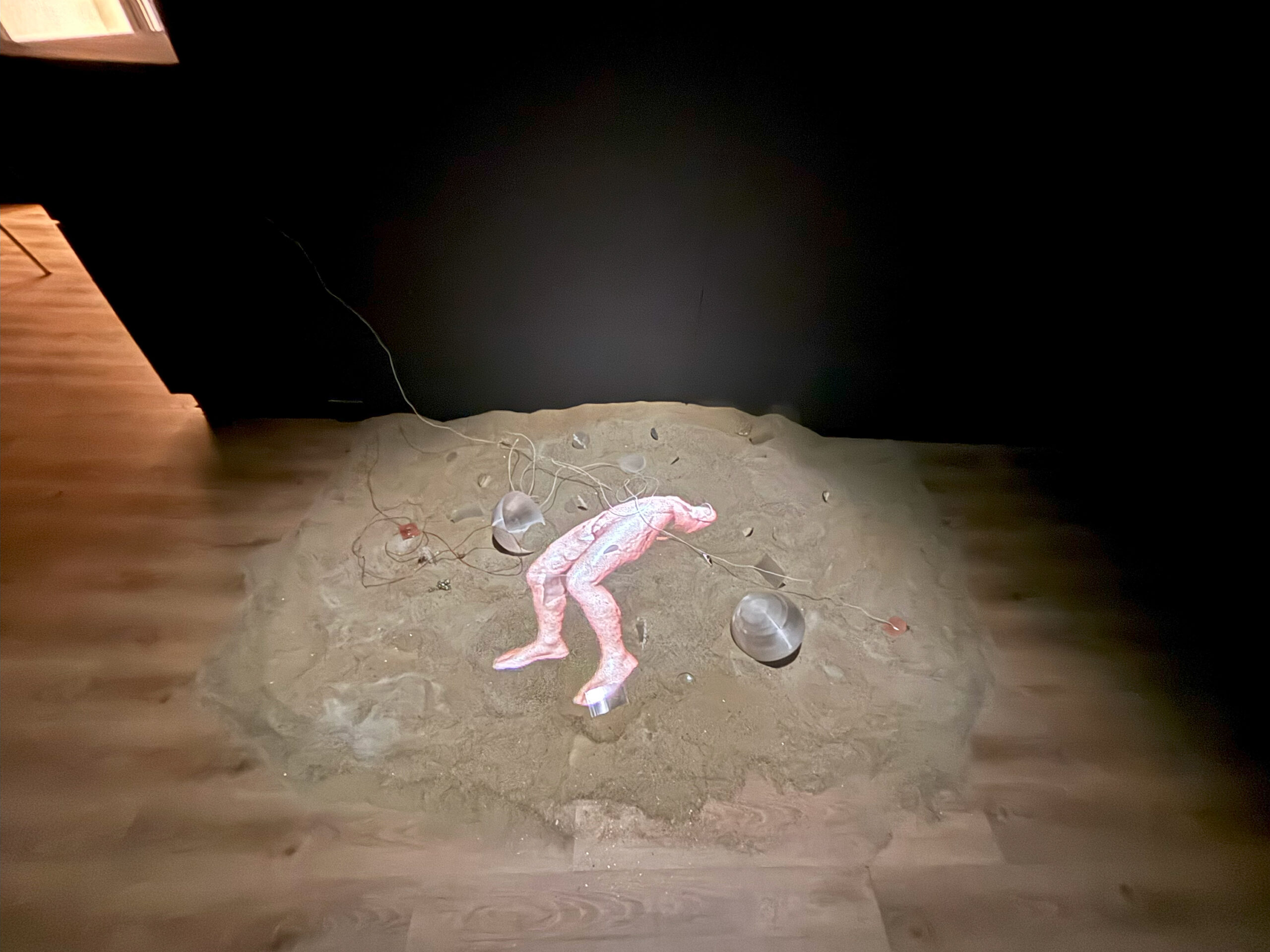
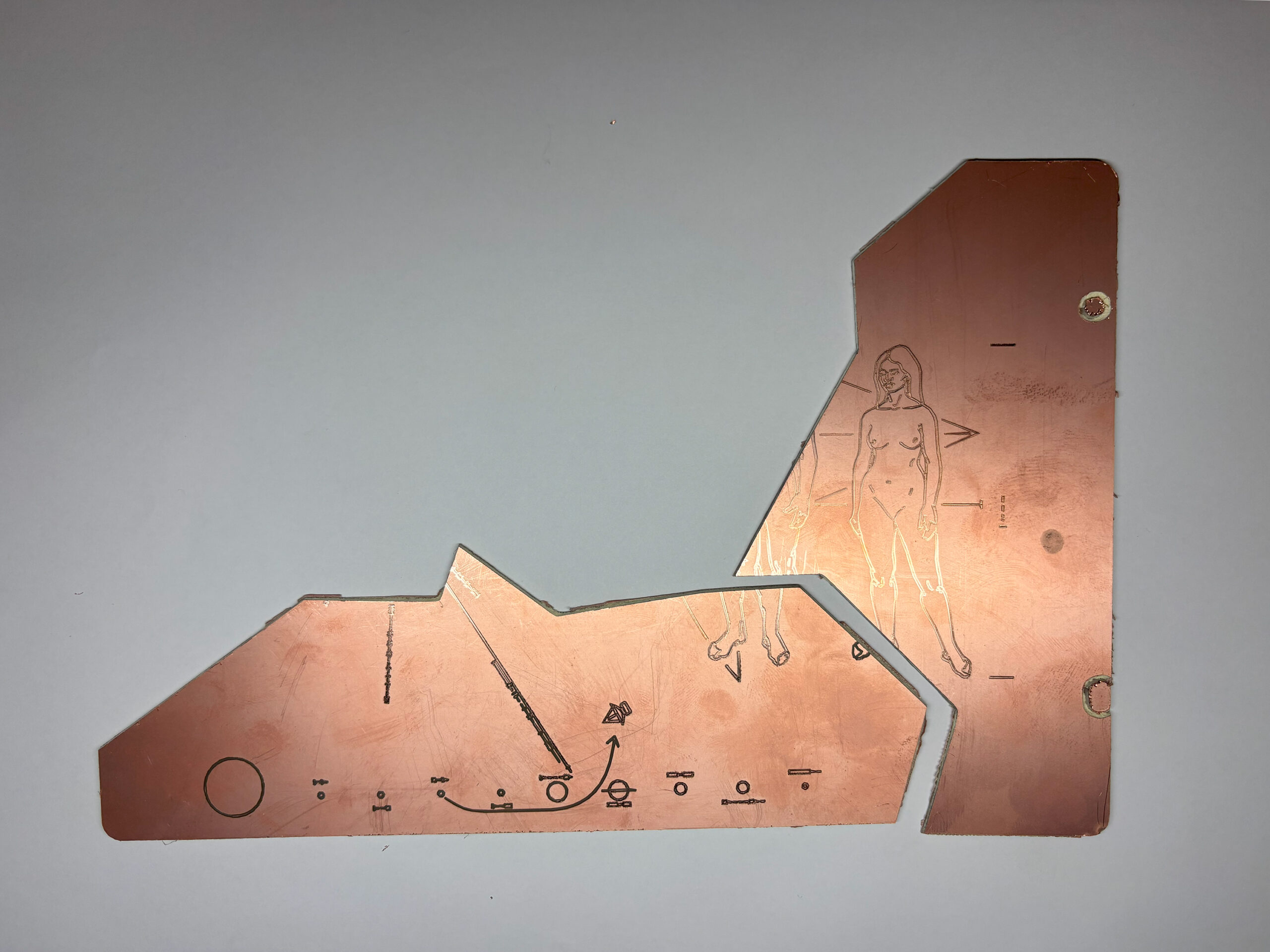
Contrapposto (in Space)
2024
software, sand, copper sensors, wires, debris